

Arrhythmia & Atrial Fibrillation (AFib)
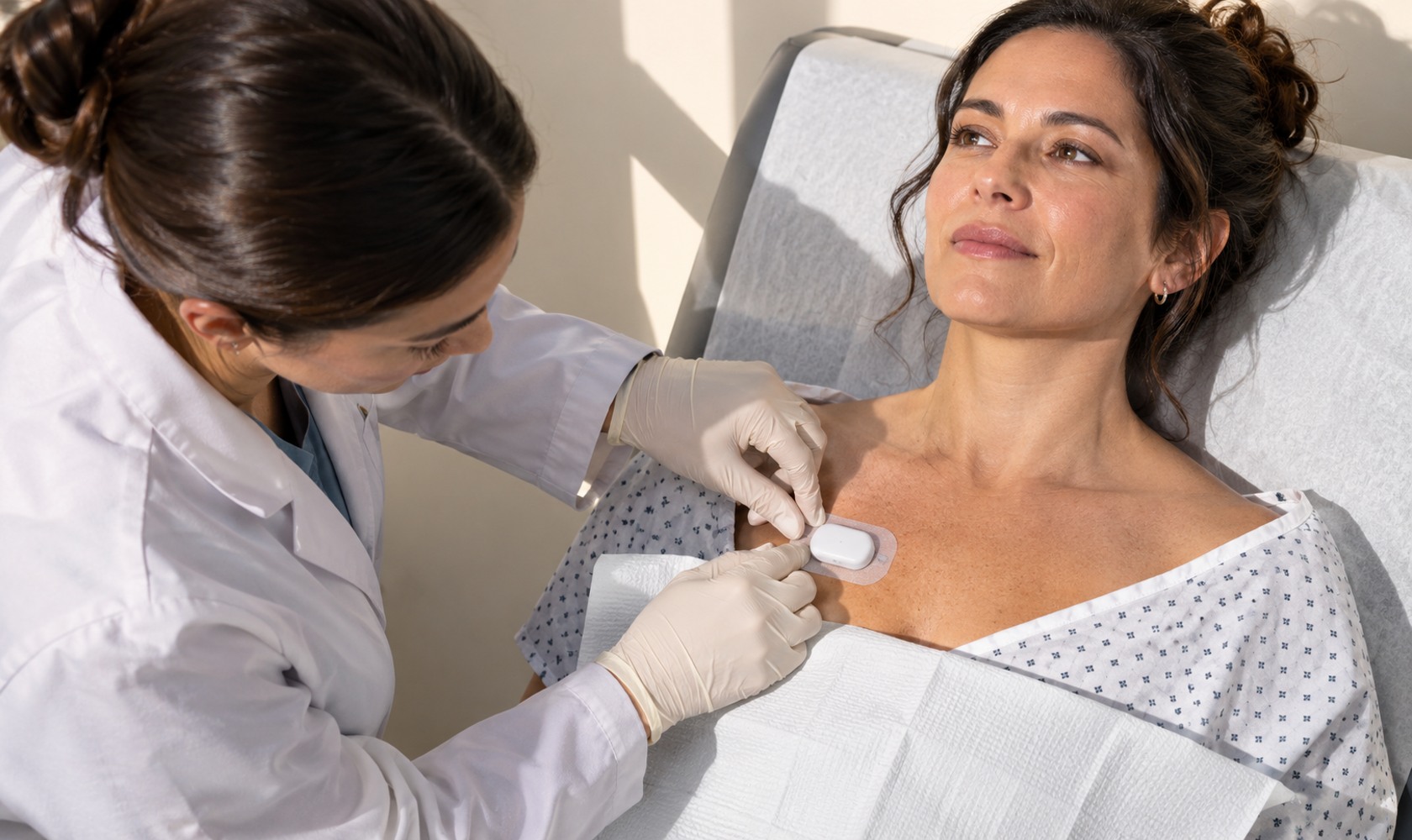 An arrhythmia changes the rate or pattern of the heartbeat. Atrial fibrillation causes irregular electrical activity in the upper chambers and can increase stroke risk. Palpitations can also reflect harmless extra beats, thyroid disease, anemia or other triggers, so treatment needs a recorded diagnosis where possible.
Symptoms and situations to discuss
- Repeated racing, fluttering or skipped-heartbeat sensations.
- An irregular pulse or a device alert that needs confirmation.
- Breathlessness, reduced stamina or dizziness during episodes.
- An established rhythm disorder requiring medicine or stroke-risk review.
Capturing the rhythm
We review episode timing, duration, medicines and family history. An EKG identifies a rhythm present during the visit; a patch or event monitor can capture intermittent episodes. Blood tests can check electrolytes, thyroid function and other contributors, while echocardiography assesses heart structure when appropriate.
Treatment depends on the rhythm and its effects. Options include changes to relevant triggers, medicines to control rate or rhythm, and an electrophysiology assessment for procedures such as ablation. Atrial fibrillation also requires a separate decision about anticoagulation based on stroke and bleeding risks.
We explain monitoring, medicine interactions and what a wearable device can and cannot show. Do not start or stop a blood thinner solely because a smartwatch appears normal. Follow-up considers both symptoms and risk reduction, including contributing sleep apnea or hypertension.
Telehealth
Your healthcare should be on your schedule. With Bayspring Medical telehealth services, you can connect with your provider from the comfort of home, making it easier than ever to manage your health. From virtual consultations to follow-up visits, our telehealth options provide flexible, convenient access to quality care without the need to travel.
Episodes that need emergency care
Palpitations with fainting, chest pain or severe breathlessness requires emergency assessment. New facial droop, arm weakness or speech difficulty can indicate stroke and needs an immediate 911 call.

