

Ophthalmology & Optometry
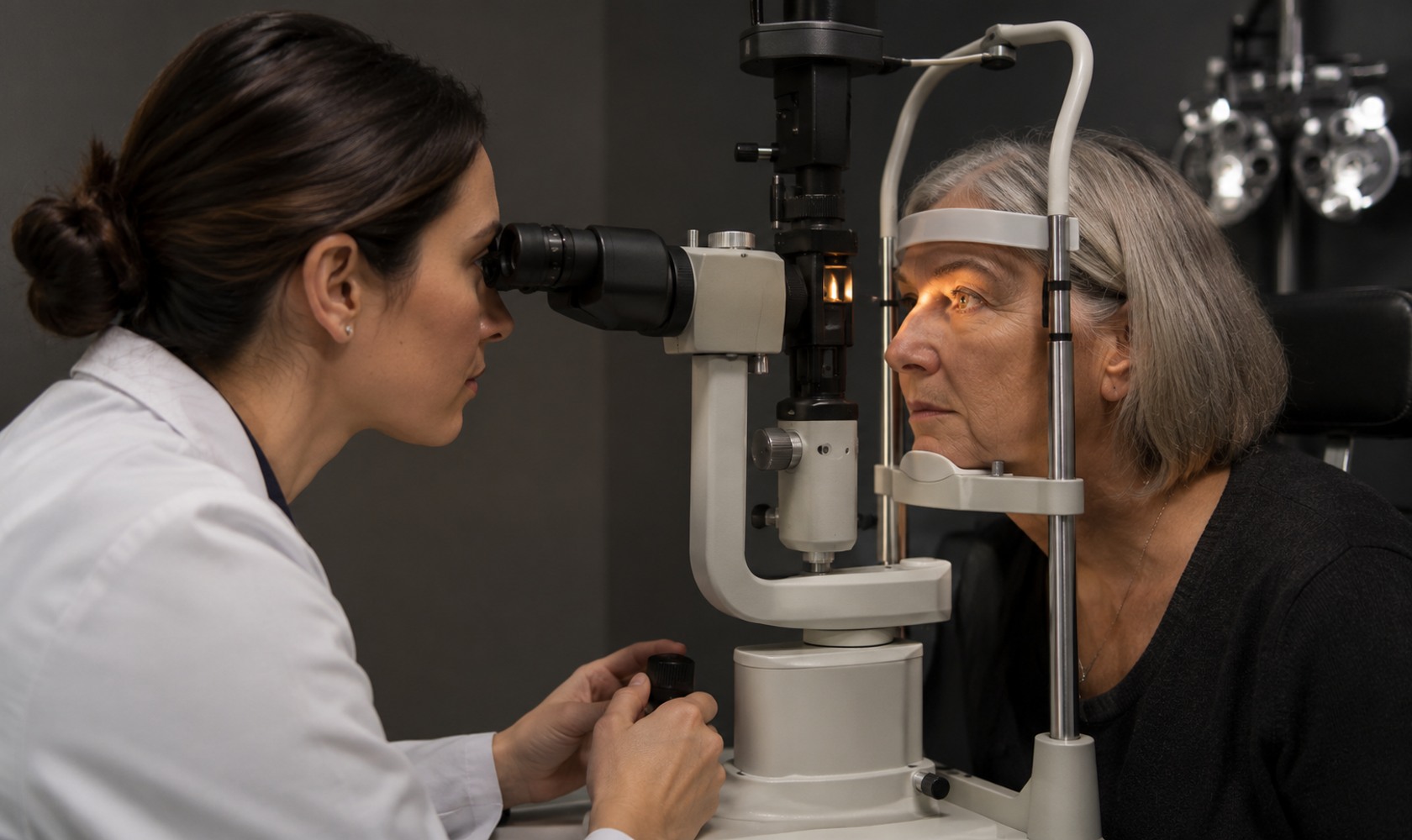 Eye care assesses vision and the structures that allow you to see, from the tear surface and lens to the retina and optic nerve. Blurred vision can reflect a glasses prescription, dryness, cataract or another condition. Some diseases, including early glaucoma and diabetic retinopathy, may progress before you notice a change, which makes risk-based examination useful even when vision seems stable.
Our consultations distinguish vision correction from medical eye treatment. New glasses can improve a refractive error, but they cannot treat every cause of poor vision. The examination also considers comfort, work demands, driving and how symptoms affect daily activities rather than relying on a reading-chart score alone.
When to arrange an eye appointment
- Gradually blurred vision, eyestrain or difficulty focusing at near distances.
- Dryness, burning, gritty eyes or reduced contact-lens comfort.
- Recurring redness, eyelid irritation or discharge.
- Glare, halos or trouble seeing when driving at night.
- Diabetes, a family history of glaucoma or a previous retinal diagnosis.
- A need to review glasses, contact lenses or a known eye condition.
What the examination checks
We review symptom timing, medicines, eye injuries and relevant medical history. Testing can include visual acuity, refraction, eye pressure and slit-lamp examination. Dilating the pupils allows a wider view of the retina and optic nerve when appropriate; the clinician explains temporary light sensitivity and focusing effects.
Selected patients need visual-field testing, retinal imaging or optical coherence tomography, which produces detailed cross-sectional images. These tests answer different questions and do not replace the clinical examination. Bring current glasses, contact-lens details and earlier reports, especially after surgery or treatment elsewhere.
Telehealth
Your healthcare should be on your schedule. With Bayspring Medical telehealth services, you can connect with your provider from the comfort of home, making it easier than ever to manage your health. From virtual consultations to follow-up visits, our telehealth options provide flexible, convenient access to quality care without the need to travel.
Treatment and protection of vision
Care may involve a prescription change, tear treatment, infection management or medicines for a diagnosed eye condition. Cataract, glaucoma and retinal disease can require a laser, injection or surgical pathway through an appropriate eye service. We explain expected benefit, limitations and follow-up before treatment.
Sudden vision loss, a curtain across vision, new flashes with many floaters, severe eye pain or a chemical injury requires urgent eye care. A routine appointment should not delay assessment of these changes.

