

Urgent Care & Walk-In Services
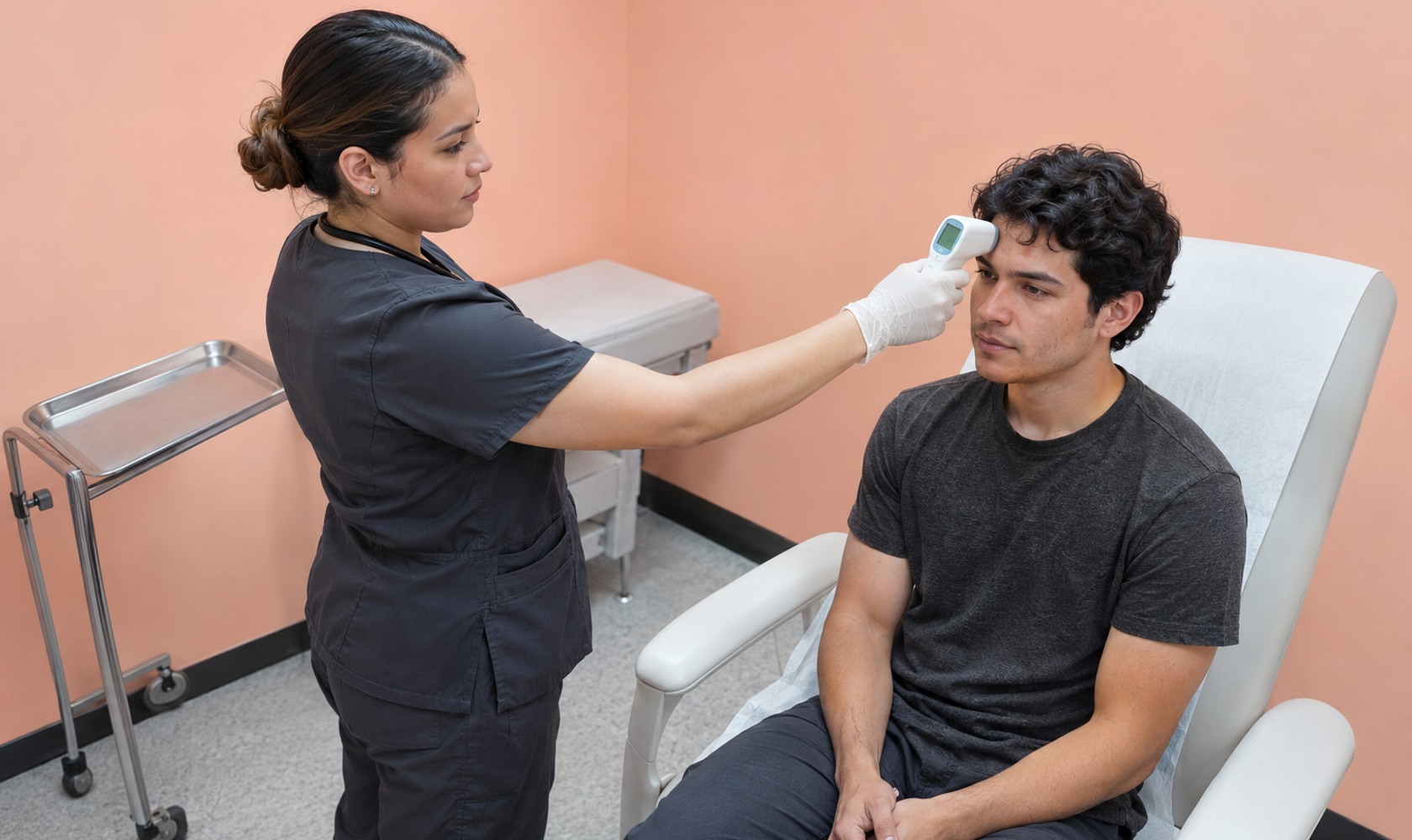 Urgent care addresses a new illness or minor injury that needs attention sooner than a routine appointment. The visit focuses on identifying the problem, checking its severity and starting treatment or arranging the next level of care. Common concerns include wounds, sprains, urinary symptoms, fever and rashes.
An urgent visit also creates a record for follow-up. A clinician can document the injury, review test results and explain whether you need another examination, rehabilitation or ongoing primary care. Walk-in assessment does not replace emergency services when symptoms suggest a threat to life, limb or vision.
Problems suited to an urgent assessment
- A cut that may need closure or a minor burn needing a dressing.
- A twisted ankle, painful joint or injury with swelling.
- Burning urination, frequent urges or new lower abdominal discomfort.
- Fever, throat pain or an earache that disrupts normal activity.
- Vomiting or diarrhea with concern about fluid loss.
- A new itchy rash or limited allergic reaction without breathing symptoms.
First, we check how unwell you are
We ask when symptoms began, what changed and what you have already tried. Temperature, pulse, blood pressure and, when relevant, oxygen levels help establish urgency. Examination follows the complaint: checking a wound's depth, assessing circulation after an injury or listening to the lungs during a respiratory illness.
Tests serve a specific question. A urine test can support a bladder infection diagnosis, a throat swab can identify strep, and imaging can assess a suspected fracture. Some conditions need an outside imaging service or hospital evaluation; the clinician explains the reason and timing.
Telehealth
Your healthcare should be on your schedule. With Bayspring Medical telehealth services, you can connect with your provider from the comfort of home, making it easier than ever to manage your health. From virtual consultations to follow-up visits, our telehealth options provide flexible, convenient access to quality care without the need to travel.
Treatment and the next step
Care may include wound cleaning and closure, a splint, symptom relief or a prescription when the findings support it. We discuss whether you need antibiotics rather than assume every painful or inflamed area has a bacterial infection.
You leave with instructions on recovery, dressing or medicine use, and the signs that should trigger reassessment. Bring your medicine list, allergies and relevant records. Call 911 for severe chest pain, stroke symptoms, major breathing difficulty or anaphylaxis instead of traveling to a walk-in appointment.

