

Type 1 & Type 2 Diabetes Management
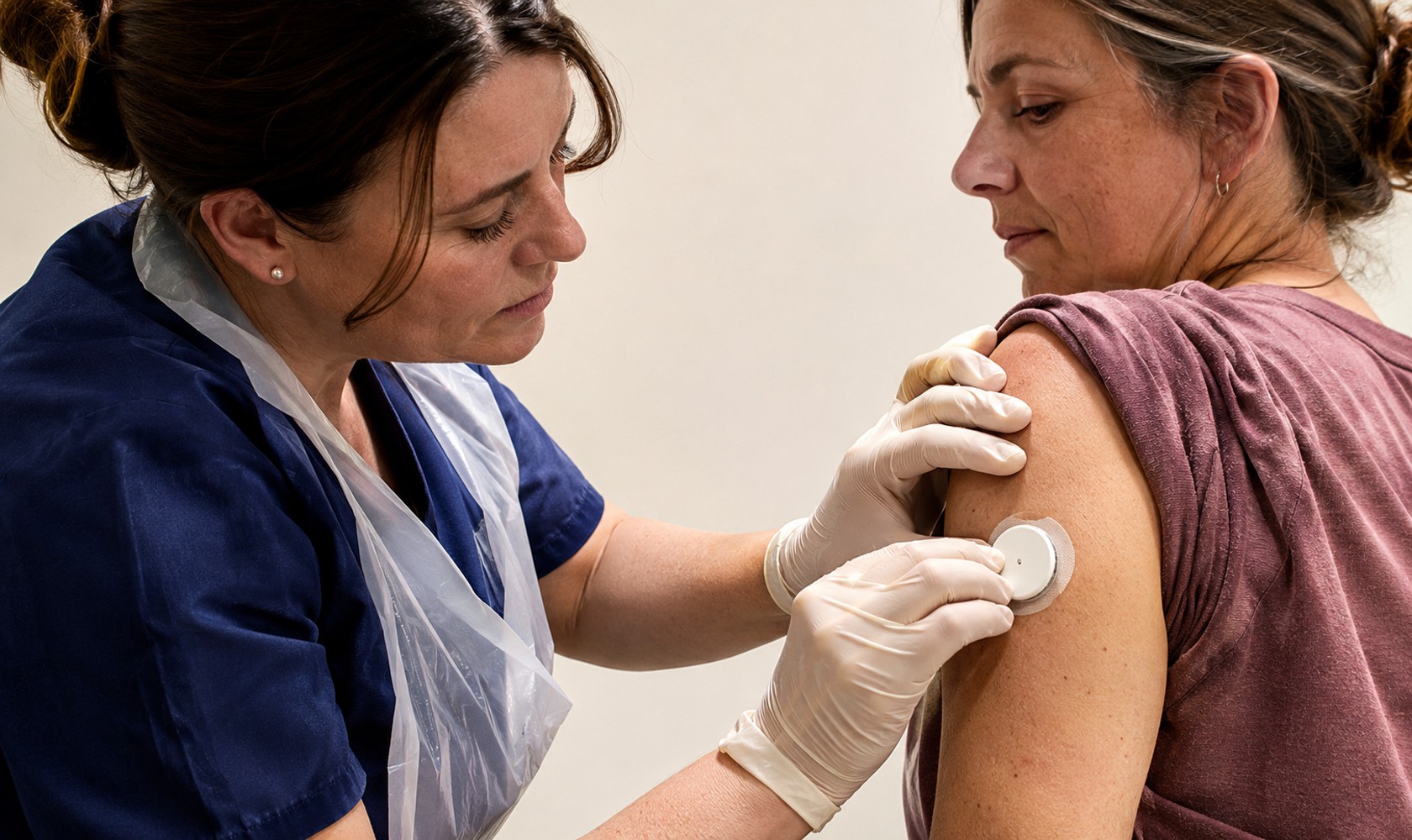 Type 1 diabetes develops when immune damage leaves the body unable to make enough insulin. Type 2 involves insulin resistance and a progressive loss of adequate insulin production. Both can raise blood sugar and damage blood vessels or nerves over time, but their treatment needs and immediate risks differ.
Reasons for a diabetes visit
- A new diagnosis or blood sugar results above the agreed target.
- Repeated low readings or difficulty matching treatment to meals and activity.
- Questions about insulin, glucose sensors or other medicines.
- Changes in kidney health, vision, feet or pregnancy plans.
An individual management plan
We review glucose records, A1C, medicines, meals, activity and episodes of hypoglycemia. Selected tests assess kidney function and urine protein, while eye and foot assessments look for complications. When the diabetes type remains uncertain, additional antibody or insulin-production testing may help.
Type 1 requires insulin; stopping it can lead to ketoacidosis. Type 2 treatment may include nutrition and activity changes, oral or injectable medicines, and insulin when appropriate. Choices account for cardiovascular and kidney conditions, weight, side effects and affordability, not just the glucose number.
We explain monitoring, low-glucose treatment and a sick-day plan. Technology can help suitable patients, but the plan should remain usable when a sensor fails. Follow-up reviews patterns and safety rather than reacting to every isolated high reading.
Telehealth
Your healthcare should be on your schedule. With Bayspring Medical telehealth services, you can connect with your provider from the comfort of home, making it easier than ever to manage your health. From virtual consultations to follow-up visits, our telehealth options provide flexible, convenient access to quality care without the need to travel.
Diabetes emergencies
Confusion, seizure or unconsciousness from suspected low glucose requires emergency care; do not give food or drink to someone unable to swallow safely. Vomiting, abdominal pain, deep breathing or marked drowsiness with high glucose or ketones also needs immediate assessment.

