

Thyroid Disorders (Hypothyroidism, Hyperthyroidism, Nodules)
 An underactive thyroid produces too little hormone; an overactive thyroid produces excess hormone. Autoimmune disease, thyroid inflammation and nodules can affect function, while many nodules do not change hormone levels at all. Fatigue, palpitations and weight changes overlap with other conditions, so symptoms alone cannot establish the diagnosis.
Changes to discuss
- Abnormal TSH or thyroid hormone results.
- Persistent cold or heat intolerance with other symptoms.
- Palpitations, tremor, constipation or an unexplained weight change.
- A neck lump, swallowing pressure or a known thyroid nodule.
Blood tests, imaging and treatment
We review symptoms, medicines, supplements and pregnancy plans. TSH and free T4 commonly guide initial testing; selected antibodies or other tests help identify the cause. Biotin supplements can interfere with some results, so tell the clinician what you take.
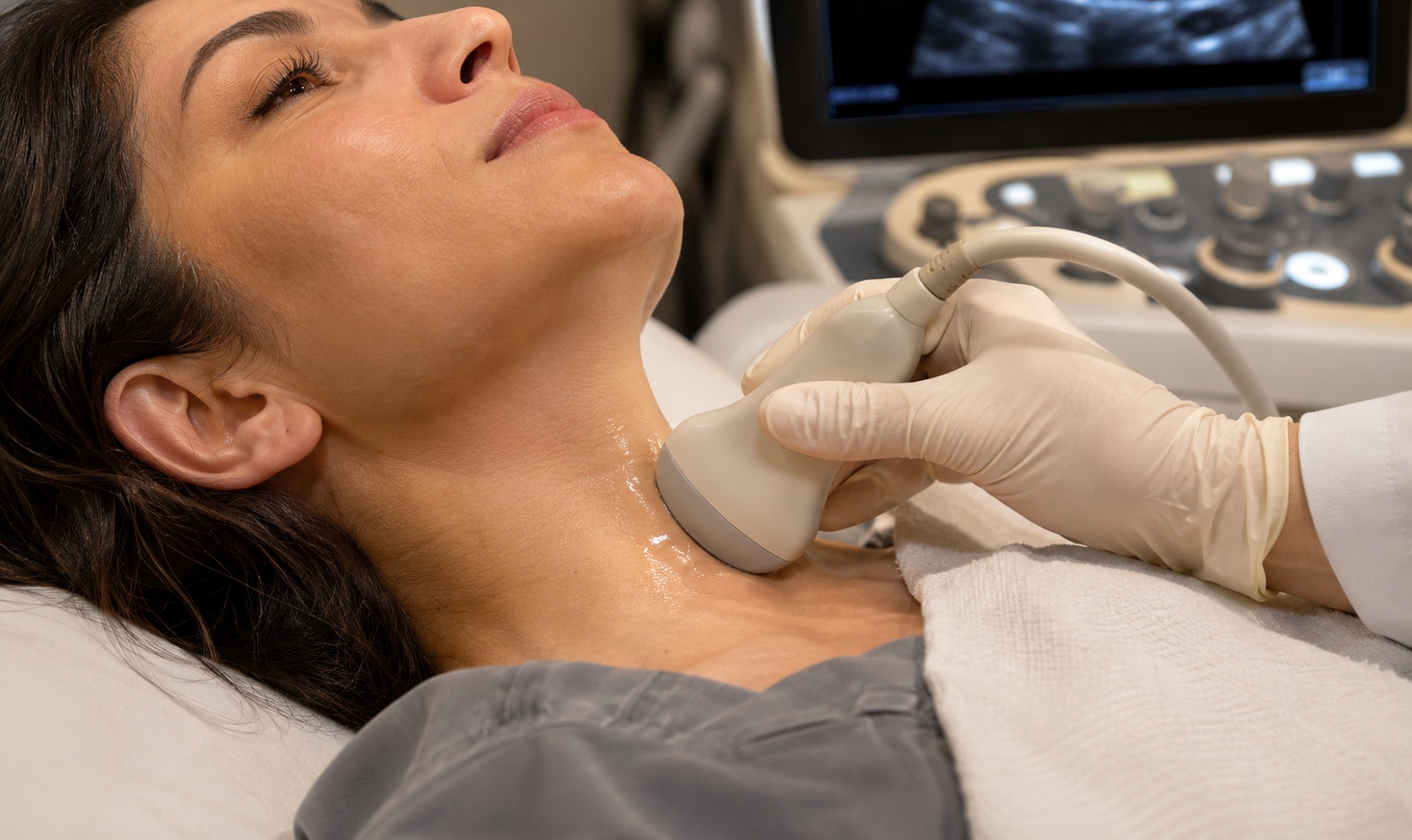
Ultrasound assesses nodule features, but not every abnormal thyroid blood test requires a scan. Some nodules need needle sampling based on their appearance and size. Treatment can include thyroid-hormone replacement, an antithyroid medicine, radioiodine or a surgical assessment, depending on the diagnosis.
Follow-up checks laboratory response and symptoms after an appropriate interval. We explain medicine timing and interactions, because food or supplements can affect absorption. Extra thyroid hormone does not provide a safe weight-loss treatment, and nodules with normal function may need surveillance rather than hormone medicine.
Telehealth
Your healthcare should be on your schedule. With Bayspring Medical telehealth services, you can connect with your provider from the comfort of home, making it easier than ever to manage your health. From virtual consultations to follow-up visits, our telehealth options provide flexible, convenient access to quality care without the need to travel.
Urgent thyroid-related symptoms
Rapid heartbeat with fever, confusion or severe weakness needs urgent assessment. Rapidly increasing neck swelling, breathing difficulty or new significant swallowing trouble also requires immediate medical attention.

