

Epilepsy & Seizure Disorders
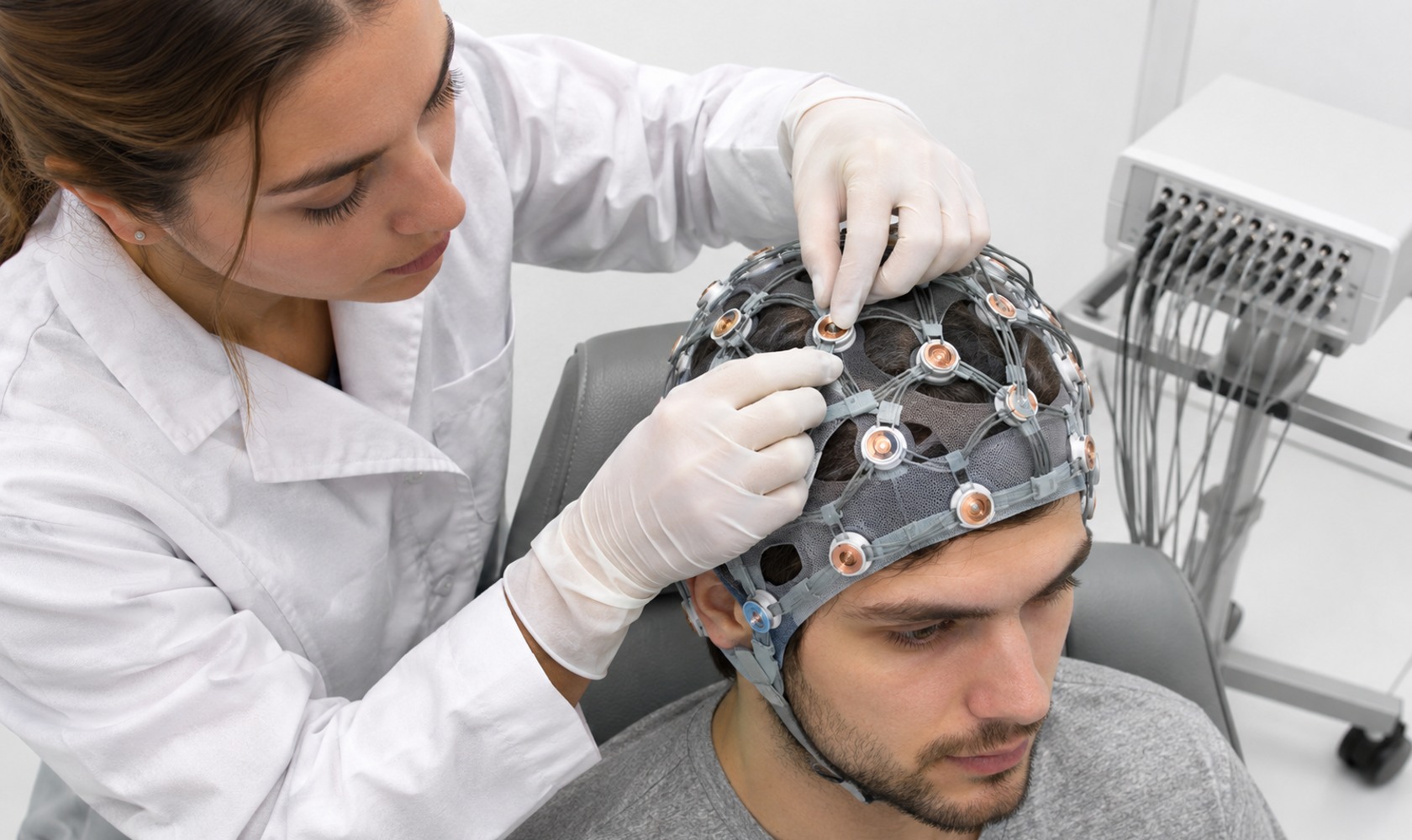 A seizure occurs when abnormal brain electrical activity temporarily changes awareness, movement, sensation or behavior. Epilepsy involves a tendency to recurring unprovoked seizures; one episode does not always establish that diagnosis. Fainting, metabolic disturbances and other events can look similar, which makes an accurate description essential.
Reasons for neurological follow-up
- A suspected seizure after urgent medical assessment.
- Recurring episodes of lost awareness, unusual sensations or involuntary movements.
- Breakthrough events despite prescribed treatment.
- Questions about side effects, pregnancy planning or activity restrictions.
Clarifying the diagnosis and reducing risk
We review witness descriptions, recovery time, triggers and previous records. A safely obtained video can help characterize an event. EEG records brain electrical activity, while MRI may assess structural causes. Blood tests can investigate metabolic contributors; a normal routine EEG does not exclude epilepsy.
Medicine choice depends on seizure type, other conditions, interactions and reproductive plans. We explain consistent dosing, monitoring and a rescue plan where appropriate. Persistent seizures despite suitable treatment warrant a specialist epilepsy assessment for additional medicines, devices or procedures.
We discuss driving requirements, swimming, bathing and work safety. Do not stop antiseizure medicine abruptly without clinical advice. Follow-up reviews seizure frequency, recovery and treatment tolerance, rather than assuming that every unexplained spell has the same cause.
Telehealth
Your healthcare should be on your schedule. With Bayspring Medical telehealth services, you can connect with your provider from the comfort of home, making it easier than ever to manage your health. From virtual consultations to follow-up visits, our telehealth options provide flexible, convenient access to quality care without the need to travel.
When a seizure is an emergency
Call 911 for a first seizure, a seizure lasting five minutes or longer, repeated seizures without recovery, serious injury or breathing difficulty. Protect the person from injury and do not place anything in their mouth.

