

Annual Well-Woman Exams & Pap Smears
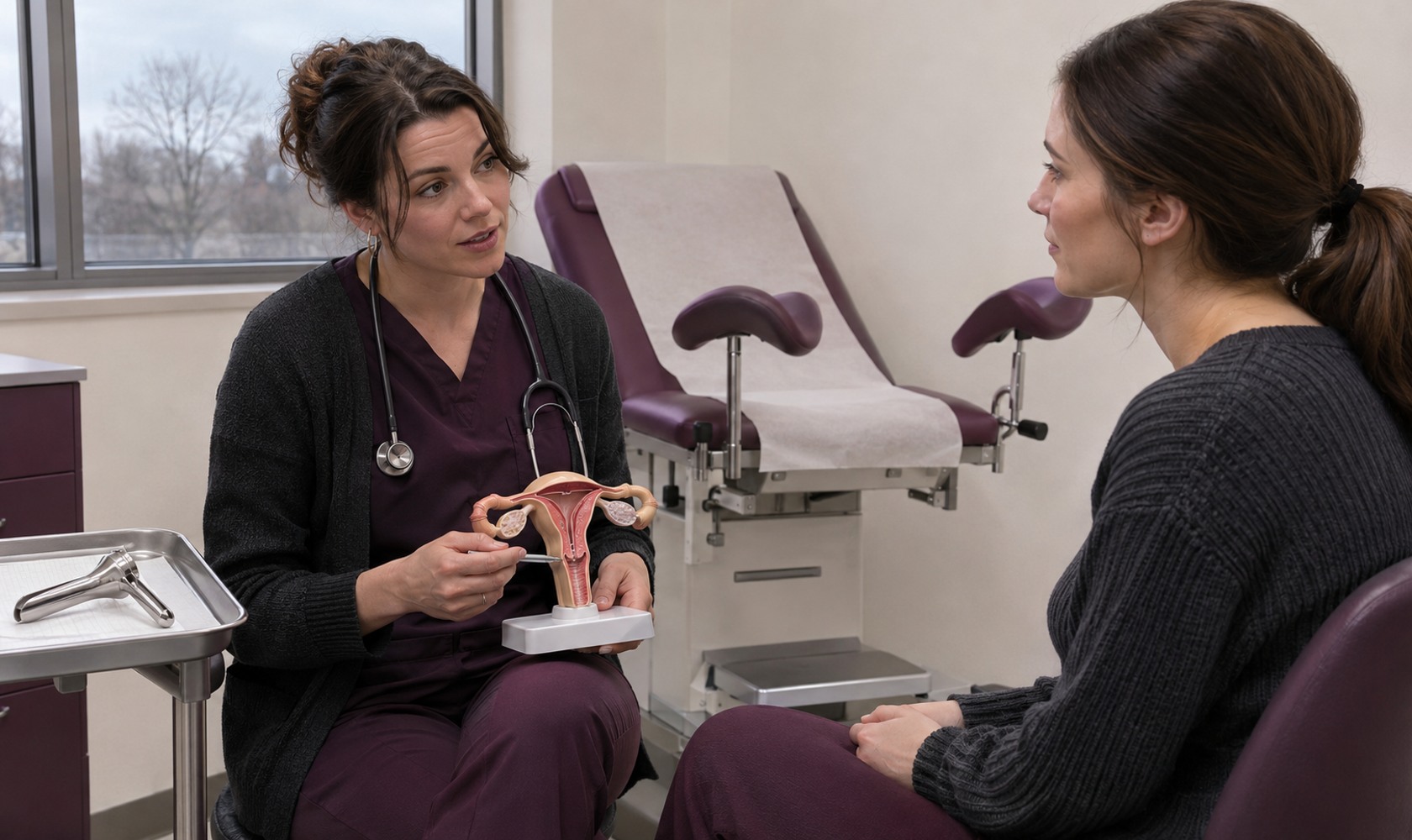 A well-woman visit reviews preventive needs and reproductive concerns, even when you have no symptoms. Cervical screening looks for high-risk HPV or abnormal cervical cells before cancer develops. The test type and interval depend on age, previous results and medical history; screening does not assess every gynecological condition.
Reasons to arrange this visit
- You need a review of cervical screening history or an abnormal result.
- You want to discuss contraception, pregnancy plans or sexual health.
- Preventive care has fallen behind during a gap in appointments.
- Family history or previous treatment changes your screening needs.
What the visit can include
We review menstrual history, medicines, pregnancy history and relevant cancer risks. Examination follows symptoms and screening needs, with an explanation and consent before each step. A Pap or HPV test requires a cervical sample; STI testing and other investigations answer separate questions.
The clinician explains which screening schedule applies and how results will guide follow-up. An abnormal result does not automatically mean cancer, but some findings need repeat testing or colposcopy. We also discuss breast screening, vaccinations and other preventive needs when relevant, without assuming an annual internal examination or ultrasound benefits every patient.
Bring earlier cervical reports, especially after abnormal testing or cervical treatment. Knowing the actual result helps avoid unnecessary repetition and missed follow-up. A preventive appointment can also identify symptoms needing a separate diagnostic assessment.
Telehealth
Your healthcare should be on your schedule. With Bayspring Medical telehealth services, you can connect with your provider from the comfort of home, making it easier than ever to manage your health. From virtual consultations to follow-up visits, our telehealth options provide flexible, convenient access to quality care without the need to travel.
Symptoms that need earlier care
Bleeding after menopause or persistent bleeding after sex needs prompt assessment rather than waiting for screening. Heavy bleeding with faintness, severe pelvic pain or suspected pregnancy complications requires urgent care.

