

Cataracts
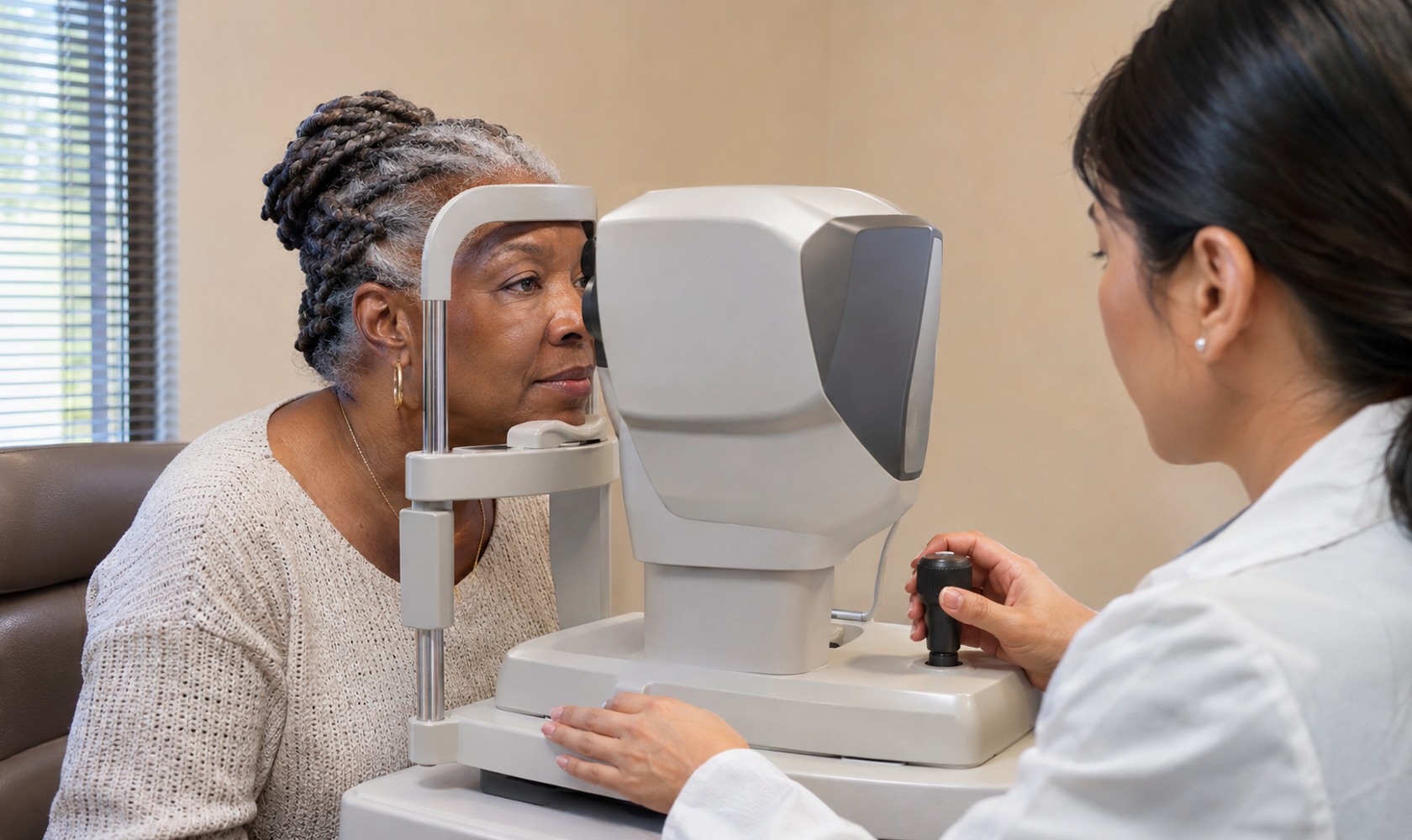 A cataract clouds the eye's natural lens, reducing the amount and quality of light reaching the retina. Aging is the most common cause, but diabetes, injury, steroid use and other factors can contribute. Cataracts usually develop gradually; sudden visual loss needs investigation for another cause.
Changes that may justify assessment
- Gradual blurred or dim vision despite glasses.
- Glare or difficulty driving at night.
- Faded colors or frequent prescription changes.
- Trouble reading or completing tasks that previously felt straightforward.
Examination and timing of treatment
We check vision, refraction and the lens and assess the retina and other structures where possible. The examination establishes whether the cataract explains the difficulty or another condition also limits vision. Additional measurements support surgery planning when appropriate.
A glasses adjustment or lighting changes may help early symptoms, but drops cannot clear an established cataract. Surgery removes the cloudy lens and replaces it with an artificial one when the expected benefit outweighs the risks. The decision follows daily needs and eye health rather than a requirement to wait until the cataract becomes very advanced.
We discuss lens options, recovery and the possible need for glasses after surgery. Coexisting retinal disease or glaucoma can affect the result. The treatment pathway includes postoperative monitoring and instructions about drops, activity and symptoms that need reassessment; no operation guarantees perfect vision.
Telehealth
Your healthcare should be on your schedule. With Bayspring Medical telehealth services, you can connect with your provider from the comfort of home, making it easier than ever to manage your health. From virtual consultations to follow-up visits, our telehealth options provide flexible, convenient access to quality care without the need to travel.
Symptoms needing urgent attention
Sudden vision loss, severe pain or a red eye requires urgent assessment. After eye surgery, increasing pain, rapidly worsening vision or new flashes and floaters needs immediate contact with the treating eye service.

