

Joint Pain (Knee, Shoulder, Hip, Wrist)
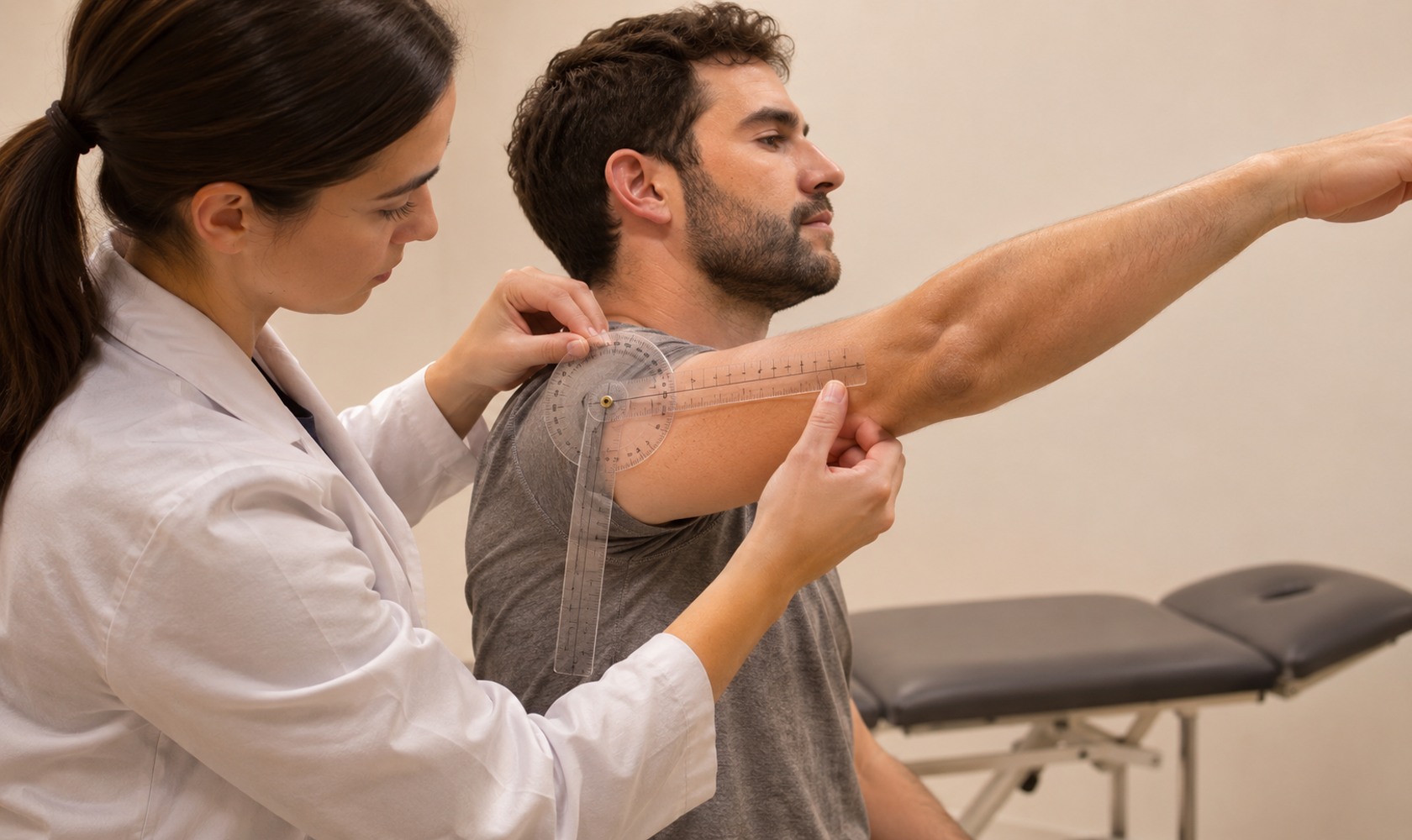 Joint pain can arise from the joint surface, inflamed lining, a tendon, a bursa or nearby structures. Injury, arthritis, overuse and crystal disease are among the possible causes. The location you feel does not always identify the source; hip or spinal problems can sometimes produce pain elsewhere.
Symptoms to have assessed
- Persistent knee, shoulder, hip or wrist pain.
- Swelling, stiffness or reduced range of movement.
- Locking, giving way or weakness during activity.
- Pain that disrupts sleep or limits work and daily tasks.
Locating the problem
We review onset, injury, loading and the pattern through the day. Examination compares active and assisted movement, strength and specific tender areas. An X-ray may assess arthritis or bone injury; ultrasound or MRI helps selected soft-tissue questions rather than every initial visit.
A swollen joint may need blood tests or fluid sampling if infection, gout or another inflammatory condition is possible. Treatment then follows the cause: activity modification, suitable pain relief, rehabilitation or targeted treatment for an inflammatory disease. Selected injections can help particular diagnoses but do not replace investigation of unexplained swelling.
We agree on practical goals such as walking farther, reaching overhead or gripping comfortably. Follow-up reviews function and the effect of treatment. If symptoms persist despite a reasonable plan, the clinician can reconsider the diagnosis or arrange an orthopedic or rheumatology opinion.
Telehealth
Your healthcare should be on your schedule. With Bayspring Medical telehealth services, you can connect with your provider from the comfort of home, making it easier than ever to manage your health. From virtual consultations to follow-up visits, our telehealth options provide flexible, convenient access to quality care without the need to travel.
Joint symptoms needing urgent care
A hot, very painful swollen joint, especially with fever or inability to move it, needs urgent assessment for infection. A deformed joint or a cold, numb limb after injury requires emergency care.

