

Common Childhood Illnesses (Ear Infections, Strep Throat, RSV)
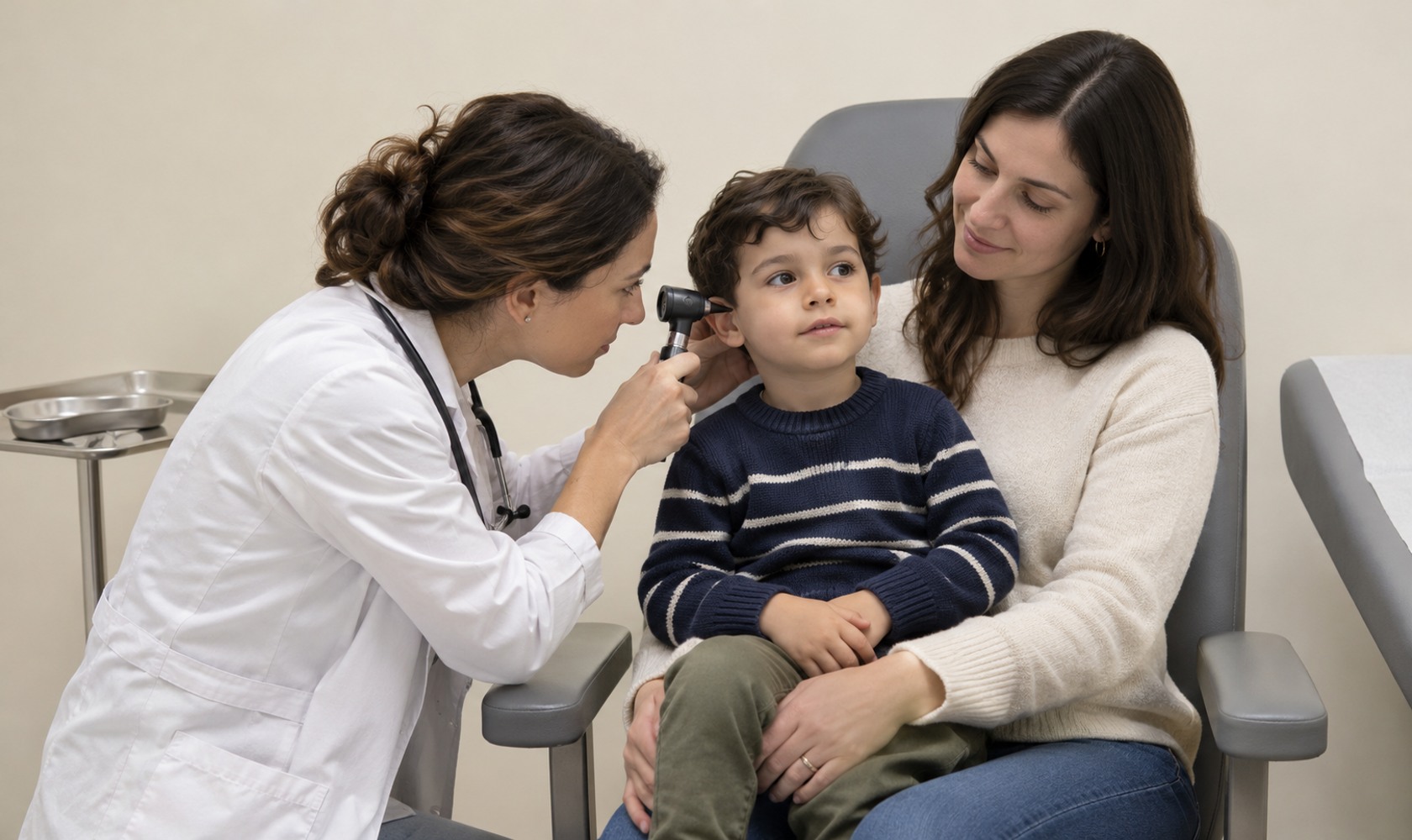 Children commonly develop respiratory and other infections as they encounter new germs. Ear infections, strep throat and RSV can overlap in symptoms, but age and examination change the likely diagnosis. RSV may cause a mild cold in one child and significant breathing or feeding difficulty in a young infant.
Reasons to contact the pediatric service
- Fever, ear pain or throat pain affecting drinking or activity.
- A worsening cough, wheeze or faster breathing.
- Vomiting, diarrhea or fewer wet diapers or toilet visits.
- An illness that returns, persists or makes your child unusually inactive.
Assessing severity and the cause
We review age, symptom duration, breathing, fluid intake and relevant exposures. Examination may include the ears, throat, lungs and hydration status. A strep test, urine test or selected respiratory testing helps when it can change management; most ordinary colds do not need a broad test panel.
Treatment can include fluids, age-appropriate pain or fever relief and monitoring. Antibiotics apply to suitable bacterial diagnoses, not every fever or cough. Medication selection and dosing depend on age, weight and medical history. Young infants or children with low oxygen, significant dehydration or breathing effort may need hospital care.
We explain expected recovery and signs to monitor at home. A child who briefly perks up after fever medicine can still need reassessment if breathing, hydration or overall behavior remains concerning.
Telehealth
Your healthcare should be on your schedule. With Bayspring Medical telehealth services, you can connect with your provider from the comfort of home, making it easier than ever to manage your health. From virtual consultations to follow-up visits, our telehealth options provide flexible, convenient access to quality care without the need to travel.
Symptoms that should not wait
A baby under three months with fever of 100.4 F (38 C) or higher needs prompt assessment. Blue lips, marked breathing effort, unusual unresponsiveness, a seizure or signs of severe dehydration requires emergency care.

